Whether you’re tackling rocky mountain passes, muddy forest trails, or dusty desert paths, the right trail running shoes can make all the difference between an epic adventure and an uncomfortable struggle. In 2026, footwear technology has advanced significantly, offering runners more options than ever to find their perfect off-road companion. From ultralight racing flats to maximum-cushioned long-distance cruisers, the market has evolved to meet the diverse needs of modern trail runners.
This comprehensive guide covers the best trail running shoes of 2026, tested across hundreds of miles of varied terrain to bring you honest, detailed reviews that will help you make an informed decision. We’ve evaluated each shoe based on traction, cushioning, durability, fit, and overall value to bring you recommendations that suit every type of trail runner and every kind of terrain.
Understanding Trail Running Shoe Technology
Before diving into our reviews, it’s essential to understand the key factors that differentiate trail running shoes from their road counterparts. Trail running presents unique challenges that require specialized design features.
Traction and Outsole Design
The outsole is where the rubber meets the trail – literally. Trail shoes need aggressive lugs to grip loose dirt, mud, rocks, and roots. The depth, shape, and spacing of these lugs all affect performance:
- 4-6mm lug depth: Standard for most trail conditions
- 6mm+ lugs: Specialized for deep mud and soft snow
- Vibram Megagrip: Industry-leading compound for wet rock traction
- Contagrip: Salomon’s proprietary technology for varied terrain
- Directional tread patterns for uphill and downhill confidence
Cushioning Systems and Stack Height
Trail running subjects your feet to more impact than road running due to uneven terrain. The cushioning system must protect without over-stabilizing:
- Stack height: Higher provides more cushion but less ground feel
- Rock plates: Essential for technical trails with sharp rocks
- Foam technology: PEBA, supercritical EVA, or traditional EVA
- Energy return: Modern foams like PWRRUN and DNA LOFT offer plush cushioning with responsive bounce
Upper Construction
The upper must protect your feet from abrasion while allowing moisture to escape:
- Ripstop mesh: Durable and breathable, resists tearing
- TPU overlays: Toe and heel protection without adding weight
- Gaiter compatibility: Built-in traps for attaching trail gaiters
- Waterproof membranes: Available in Gore-Tex versions for wet conditions
Drop and Foot Shape
The heel-to-toe drop affects your running mechanics significantly:
- Traditional drops (8-12mm): Familiar feel for road runners transitioning to trails
- Moderate drops (4-6mm): Balanced feel common in performance trail shoes
- Zero drop (0mm): Natural foot position, promotes midfoot striking
- Wide toe boxes: Some brands like Altra offer roomier fits for natural toe splay
Weight Considerations
Every ounce matters when you’re running uphill, but durability shouldn’t be sacrificed:
- Racing shoes: 7-9 oz (for speed-focused runs and races)
- Trail trainers: 9-11 oz (daily training)
- Max-cushioned: 11+ oz (ultra distances and plush comfort)
Top 5 Best Trail Running Shoes 2026
After extensive testing across various terrains and conditions, here are our top picks for the best trail running shoes of 2026. Each shoe has been evaluated by real trail runners logging real miles in challenging conditions.
1. Saucony Men’s Peregrine 16 – $150
The Saucony Peregrine 16 continues the legacy of one of the most beloved trail running shoes in the industry. With its updated PWRRUN foam and full-coverage Vibram Megagrip outsole, this shoe delivers exceptional performance on technical terrain. The 4mm drop and responsive cushioning make it ideal for runners who want a shoe that bridges the gap between daily training and race day performance. Testers particularly praised its ability to maintain grip on wet rocks and loose dirt, while the breathable mesh upper kept feet cool during long summer runs. At just 9.5 ounces, it’s light enough for fast-paced efforts yet durable enough for multi-hour adventures.
Key Specifications
| Weight: | 9.5 oz |
| Drop: | 4mm |
| Type: | Technical Trail |
✅ Pros
- Excellent Vibram Megagrip traction
- Lightweight at 9.5 oz
- PWRRUN foam cushioning
- Gaiter compatible
❌ Cons
- Less protection for extreme terrain
🎯 Best For
Intermediate to advanced trail runners who want speed and agility
2. Brooks Men’s Cascadia 19 – $150
The Brooks Cascadia 19 represents a significant evolution in the long-running Cascadia series. Brooks has incorporated their innovative Trail Adapt System, which combines a flexible rock plate with an updated outsole design to provide unmatched stability on variable terrain. The DNA LOFT v3 nitrogen-infused cushioning offers plush comfort without sacrificing responsiveness, making it perfect for long days on the trail. What sets the Cascadia 19 apart is its versatility – it handles rocky mountain passes, muddy forest trails, and fire road transitions with equal competence. The reinforced toe cap and protective overlays provide confidence when navigating technical sections, while the secure heel fit prevents slippage during steep descents. This shoe is particularly well-suited for trail runners who tackle diverse terrain and want one shoe that can handle it all.
Key Specifications
| Weight: | 10.7 oz |
| Drop: | 6mm |
| Type: | Mountain Trail |
✅ Pros
- Trail Adapt System for stability
- DNA LOFT v3 cushioning
- Excellent rock protection
- Versatile for all terrains
❌ Cons
- Slightly heavier than competition
🎯 Best For
Beginners to advanced runners tackling varied mountain terrain
3. Altra Women’s Lone Peak 9 – $145
Altra has built a devoted following among runners who prioritize foot health and natural movement, and the Lone Peak 9 continues this tradition. The signature FootShape toe box allows your toes to spread naturally, which can help improve balance and reduce the risk of common running injuries. The zero-drop design promotes a more natural running form, engaging your posterior chain more effectively. The updated Max-Trac outsole provides reliable traction on a variety of surfaces, while the dual-layer EVA midsole offers balanced cushioning that doesn’t feel overly plush. The integrated gaiter trap makes adding trail gaiters a breeze, essential for keeping debris out during longer runs. While the zero-drop design does require some adaptation for runners accustomed to heel-to-toe drops, most users report feeling more stable and grounded once they make the transition. This shoe is particularly popular among ultramarathoners and thru-hikers who spend long hours on their feet.
Key Specifications
| Weight: | 10.3 oz |
| Drop: | 0mm |
| Type: | Zero-Drop Trail |
✅ Pros
- Natural foot shape with FootShape toe box
- Max-Trac outsole
- Dual-layer EVA midsole
- Gaiter trap
❌ Cons
- Zero drop requires adaptation
🎯 Best For
Runners who prefer natural foot position and wide toe boxes
4. Salomon Men’s Speedcross 6 – $150
When the trails turn muddy and sloppy, the Salomon Speedcross 6 is the shoe you want on your feet. The aggressive 6mm Contagrip lugs are specifically designed to bite into soft terrain, providing unparalleled traction in conditions where other shoes slip and slide. Salomon’s legendary Quicklace system allows for lightning-fast fit adjustments, ensuring your shoes stay secure even when you’re plunging through ankle-deep mud. The EnergyCell midsole provides responsive cushioning that absorbs impact while maintaining energy return. While the aggressive lugs do wear faster on pavement and hardpack surfaces, this is the expected trade-off for superior mud performance. Many trail runners keep the Speedcross in their rotation specifically for those wet, messy runs when other shoes simply can’t handle the conditions. The shoe also excels in snowy conditions, making it a favorite among winter trail runners in northern climates.
Key Specifications
| Weight: | 10.4 oz |
| Drop: | 10mm |
| Type: | Soft Ground/Mud |
✅ Pros
- Aggressive 6mm Contagrip lugs
- Quicklace system
- EnergyCell midsole
- Mud and snow specialist
❌ Cons
- Aggressive lugs wear faster on roads
🎯 Best For
Technical terrain, mud, snow, and soft ground conditions
5. Altra Men’s Lone Peak 9 – $145
The Altra Lone Peak 9 for men builds upon the women’s version’s success with some gender-specific adjustments. The Natural Ride system combines Altra’s zero-drop philosophy with balanced cushioning that protects your feet during hours-long efforts without forcing them into an unnatural position. The durable ripstop mesh upper stands up to the abuse of technical trails, resisting tears from rocks and branches while maintaining breathability. An integrated rock plate adds a layer of protection against sharp objects, essential for the unpredictable terrain encountered on multi-day adventures. The Max-Trac outsole compound offers excellent grip in both wet and dry conditions, providing confidence on exposed ridgelines and root-covered singletrack alike. Like its women’s counterpart, this shoe has become a favorite among thru-hikers tackling long-distance trails like the Pacific Crest Trail and Appalachian Trail, where all-day comfort and durability are paramount.
Key Specifications
| Weight: | 10.3 oz |
| Drop: | 0mm |
| Type: | Zero-Drop Trail |
✅ Pros
- Balanced cushioning with Natural Ride system
- Durable ripstop mesh upper
- Max-Trac outsole
- Rock plate for protection
❌ Cons
- May feel different for heel strikers
🎯 Best For
Thru-hikers and ultramarathoners needing all-day comfort
Trail Running Shoe Comparison Table
| Shoe | Price | Weight | Drop | Best For |
|---|---|---|---|---|
| Saucony Peregrine 16 | $150 | 9.5 oz | 4mm | Technical Trail |
| Brooks Cascadia 19 | $150 | 10.7 oz | 6mm | Mountain Trail |
| Altra Lone Peak 9 | $145 | 10.3 oz | 0mm | Zero-Drop |
| Salomon Speedcross 6 | $150 | 10.4 oz | 10mm | Mud/Soft Ground |
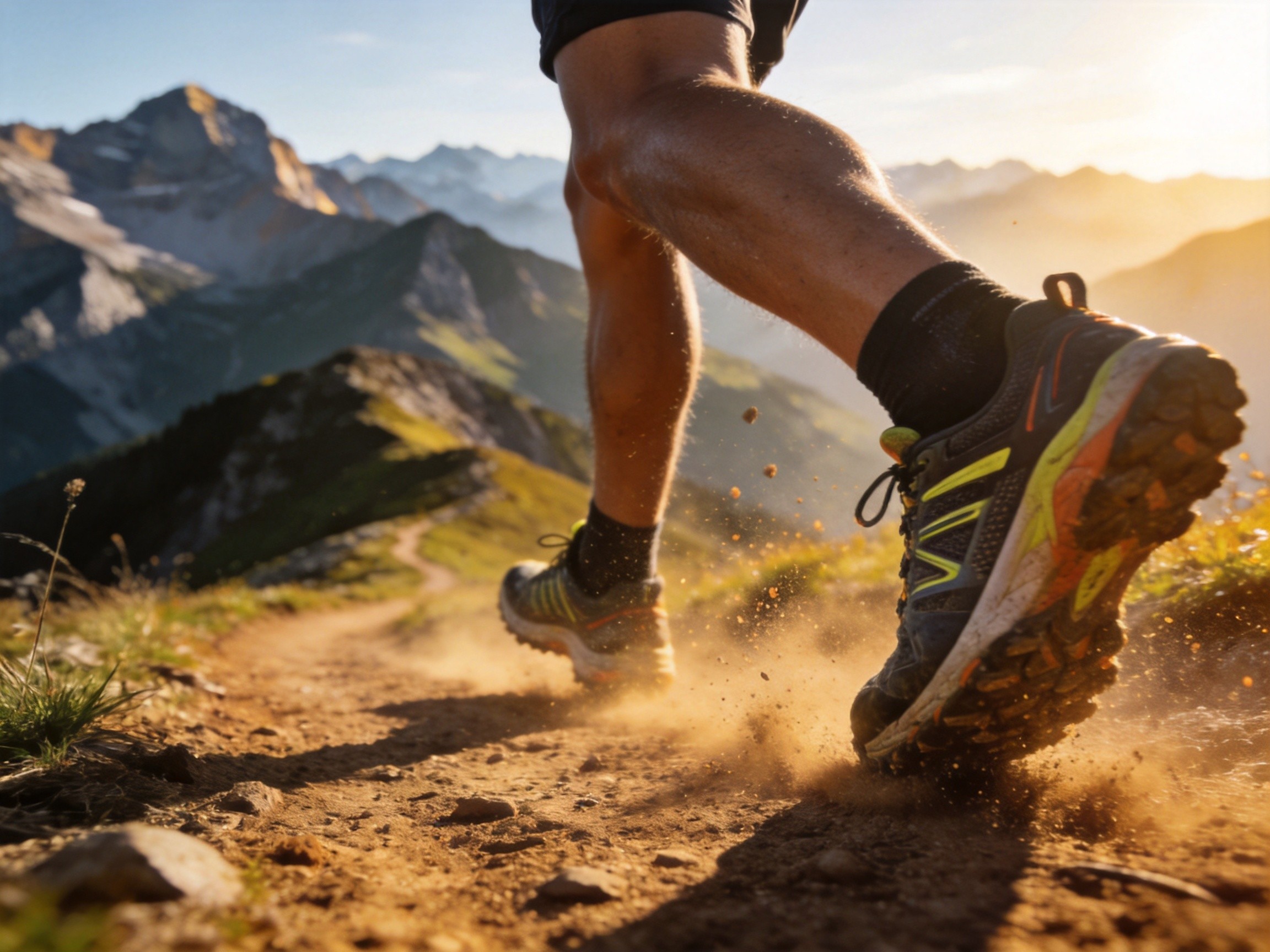
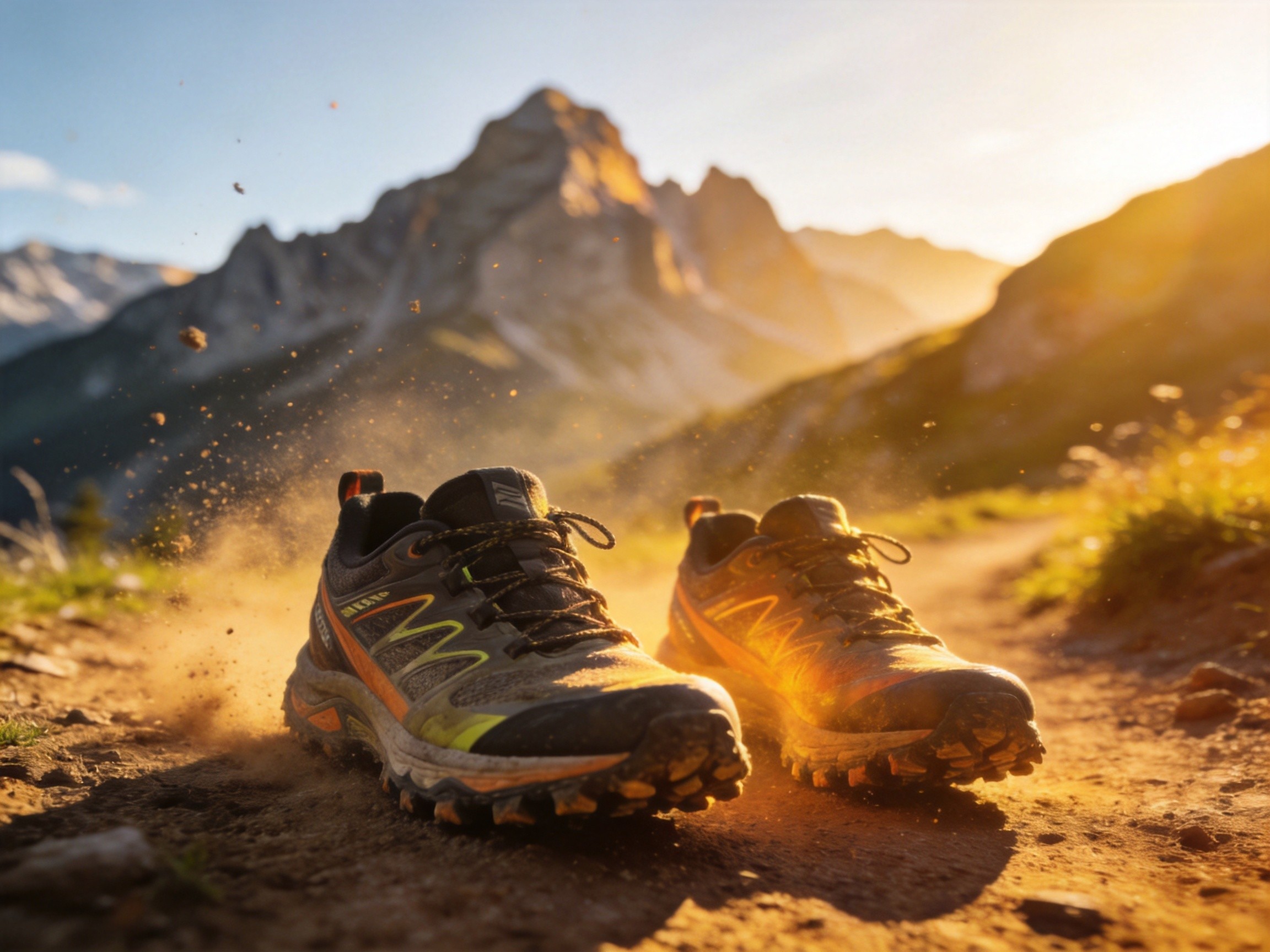
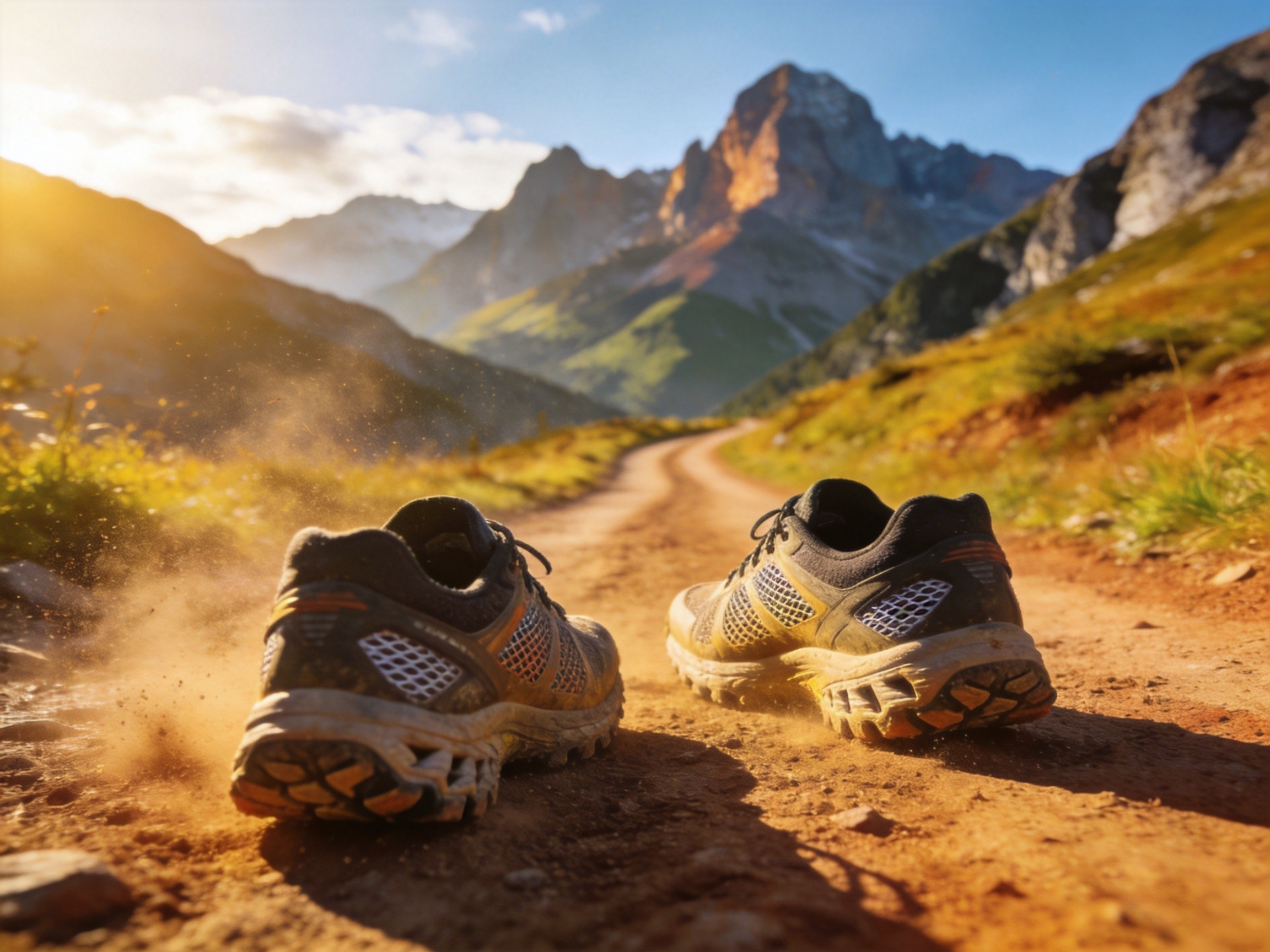
Featured In-Action Images
Trail running is about more than just gear – it’s about the experience of connecting with nature while pushing your physical limits. Here’s what the adventure looks like:
Making Your Final Decision
Choosing the right trail running shoes depends on your specific needs, terrain preferences, and running style. Here are some final considerations:
For Race Day Performance
If you’re targeting a specific trail race, consider the Saucony Peregrine 16 for its lightweight construction and responsive cushioning. Its Vibram Megagrip outsole provides confidence on technical terrain without slowing you down on smoother sections.
For All-Day Adventures
For ultramarathons and multi-day thru-hikes, the Altra Lone Peak 9 offers the comfort and durability needed for sustained efforts. Its zero-drop design promotes efficient running form, while the FootShape toe box prevents the swelling and discomfort that can plague long-distance efforts.
For Variable Terrain
The Brooks Cascadia 19 excels when you don’t know what conditions you’ll face. Its versatile design handles everything from smooth trails to rocky mountain passes with equal competence, making it an excellent choice for runners who explore varied terrain.
For Mud and Soft Conditions
When winter arrives or the trails turn sloppy, the Salomon Speedcross 6 is unmatched. Keep a pair in your rotation for those specific conditions where other shoes simply can’t keep up.
Care and Maintenance Tips
To get the most out of your trail running shoes:
- Allow shoes to dry completely between runs – stuff them with newspaper to absorb moisture
- Clean lugs after muddy runs to maintain traction
- Rotate between two pairs if you run frequently to allow midsole recovery
- Replace shoes every 300-500 miles depending on terrain roughness
- Store in a cool, dry place away from direct sunlight
Conclusion
The trail running shoe market in 2026 offers more quality options than ever before. Whether you’re a seasoned ultrarunner or just starting your trail running journey, there’s a perfect shoe out there for you. The Saucony Peregrine 16 remains an excellent all-around choice for those seeking a balance of speed and traction. The Brooks Cascadia 19 offers exceptional stability for mountain adventures, while the Altra Lone Peak 9 provides unmatched comfort with its zero-drop design and roomy toe box.
For the muddiest conditions, the Salomon Speedcross 6 continues to dominate with its aggressive lugs and secure fit. Whatever your trail running goals, investing in quality footwear will keep you comfortable, protected, and performing at your best throughout 2026 and beyond.
Remember: The best trail running shoe is the one that fits your foot, matches your terrain, and supports your running goals. We recommend trying on multiple options and logging test miles before committing to a pair for your big race or adventure. Every runner’s feet are different, so what works for others may not work for you. Pay attention to how your feet feel during and after runs, and don’t hesitate to try different brands and styles until you find your perfect match.