Why the Right Tent Matters for Your 2026 Adventure
Picture this: It’s dusk at your favorite campsite. The sun is setting behind the mountains, casting golden light across the pine forest. You’ve spent the day hiking, fishing, and exploring—but now comes the moment of truth. As darkness approaches, you need a reliable shelter that will protect you from the elements, keep you comfortable, and make your camping experience truly memorable.
This is exactly why choosing the best camping tent for your needs matters more than ever. Whether you’re a weekend warrior seeking quick getaways or a dedicated backpacker covering miles of trail, your tent is your home away from home in the wilderness.
In this comprehensive guide, we’ll explore the top 5 camping tents of 2026, each selected for its exceptional performance, durability, and value. From family-friendly cabin tents to ultralight backpacking shelters, we’ve got options for every type of camper.
Understanding Your Camping Needs
Before diving into our product recommendations, let’s quickly cover the key factors to consider when shopping for a new tent:
- Capacity: Consider how many people will regularly use the tent. Remember that “2-person” often means snug for two adults with gear.
- Weight: If you’re hiking to your campsite, every ounce counts. Car campers can prioritize space and features over weight.
- Season Rating: Three-season tents handle spring, summer, and fall conditions. Four-season tents add winter weather protection.
- Setup Time: Some tents pop up in seconds, while others require patience and practice.
- Weather Resistance: Look for quality rainflies, sealed seams, and sturdy pole construction.
The Top 5 Best Camping Tents of 2026
1. Coleman Sundome 4-Person Camping Tent – Best Overall Value
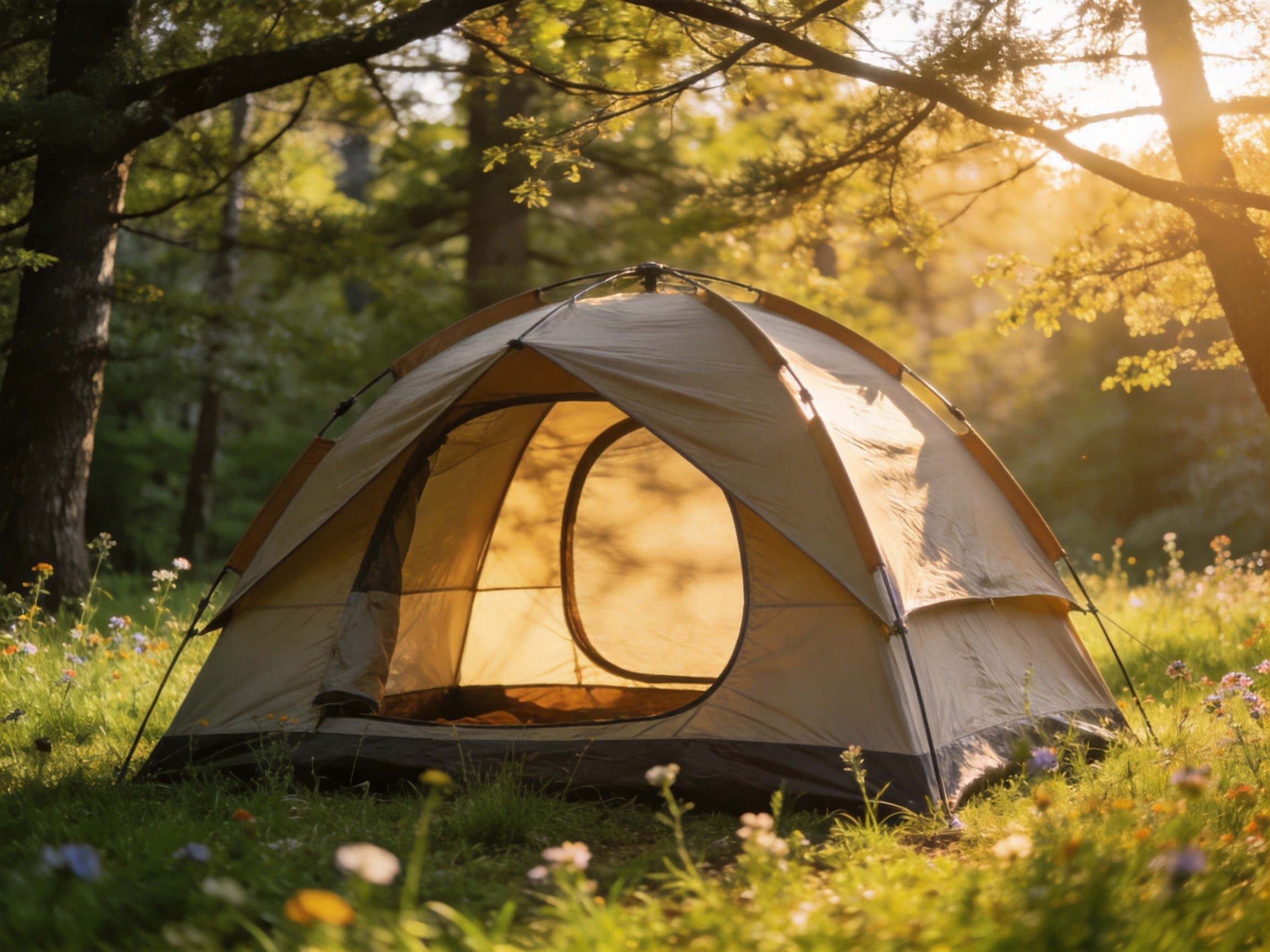
If you’re looking for the best camping tent that won’t break the bank, the Coleman Sundome 4-Person is the clear winner. This tent has been a staple of American camping culture for decades, and for good reason.
The Sundome series offers exceptional value with its proven WeatherTec system, which features welded corners and inverted seams to keep water out even during heavy rainstorms. The continuous pole sleeves make setup a breeze—most campers can have this tent pitched in under 10 minutes.
At approximately $90-100, the Coleman Sundome delivers remarkable quality for the price. The 4-person version provides 9 x 7 feet of floor space with a 59-inch center height, giving most adults enough room to sit up comfortably. The large D-shaped door allows for easy entry and exit, while the interior storage pocket keeps small items organized.
What we love most about the Sundome is its versatility. It’s equally at home at a music festival, a backyard sleepover, or a weekend camping trip in the mountains. The tent’s dome design provides excellent wind stability, and the included rainfly adds an extra layer of protection when needed.
Best For: Families, beginners, car campers, and anyone seeking reliable performance at an unbeatable price point.
Key Specifications:
- Capacity: 4-person (9′ x 7′)
- Weight: 7.7 lbs
- Center Height: 59 inches
- Setup Time: ~10 minutes
- Waterproof: WeatherTec system with welded corners
2. Coleman Skydome Camping Tent – Quick Setup Champion
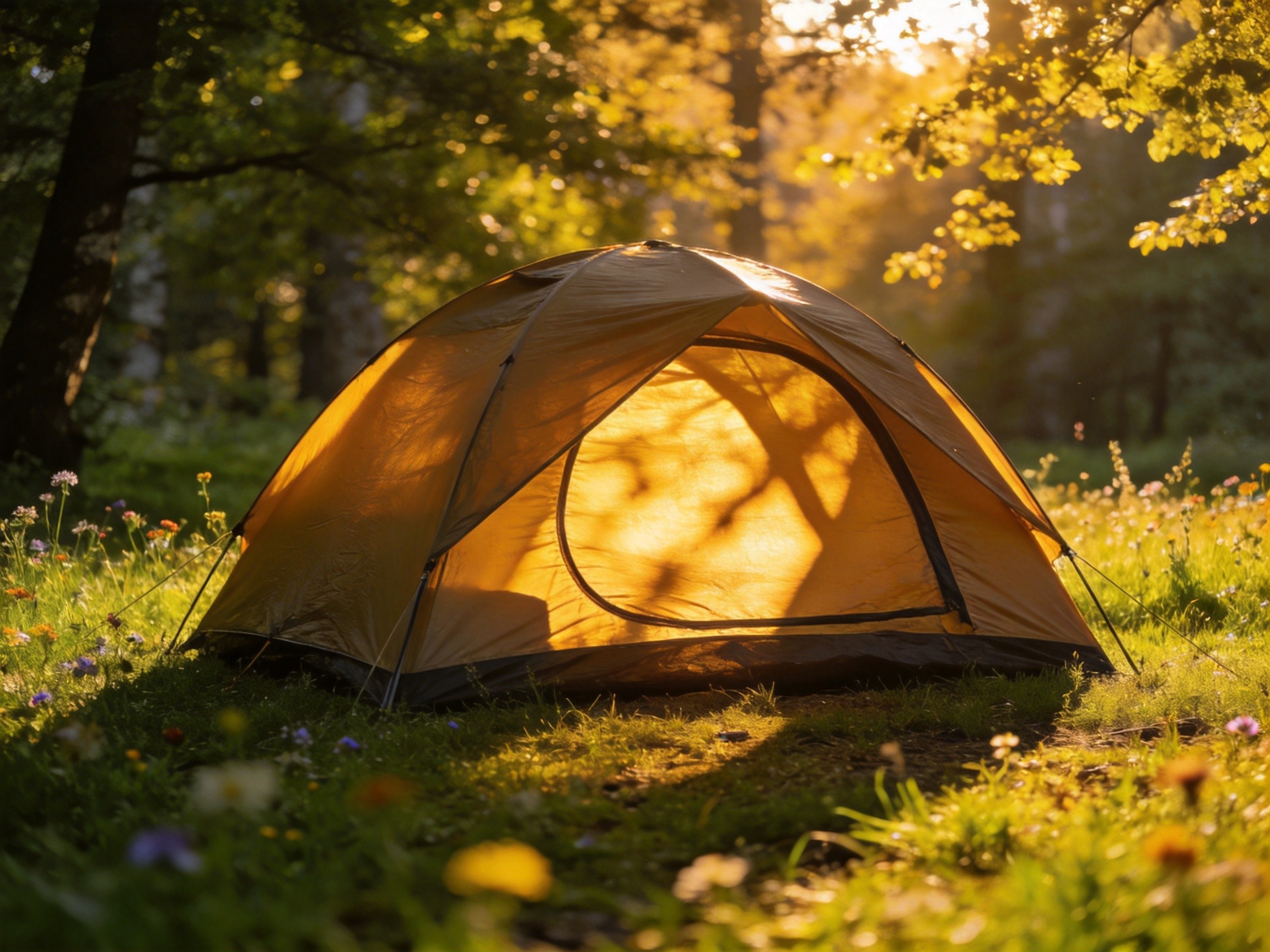
The Coleman Skydome represents a significant upgrade in design from the classic Sundome. What sets this tent apart is its innovative 5-minute setup and its unique steep wall geometry that provides 20% more headroom than traditional dome tents.
If you’ve ever struggled with tangled poles and frustrating setup processes, the Skydome will be a revelation. The pre-attached poles and color-coded system mean you can have shelter up and running in about 5 minutes—perfect for those arriving at camp after a long drive or when the weather turns unexpectedly.
The Skydome series comes in multiple sizes, from 2-person to 8-person, making it easy to find the perfect fit for your group. The 4-person version offers generous floor space with excellent livability, thanks to those steep walls that let you actually sit comfortably near the edges.
Ventilation is another area where the Skydome excels. The oversized windows and ground vents work together to minimize condensation, keeping the interior fresh even during humid summer nights. The full-inclusion rainfly provides reliable weather protection while still allowing for good airflow.
Best For: Families who prioritize quick setup, festival-goers, and campers who want modern design without premium pricing.
Key Specifications:
- Capacity: 4-person (8′ x 8′)
- Weight: 9.5 lbs
- Center Height: 62 inches (20% more headroom)
- Setup Time: ~5 minutes
- Windows: Oversized for excellent ventilation
3. Kelty Wireless 4-Person Tent – Perfect Balance of Price and Quality
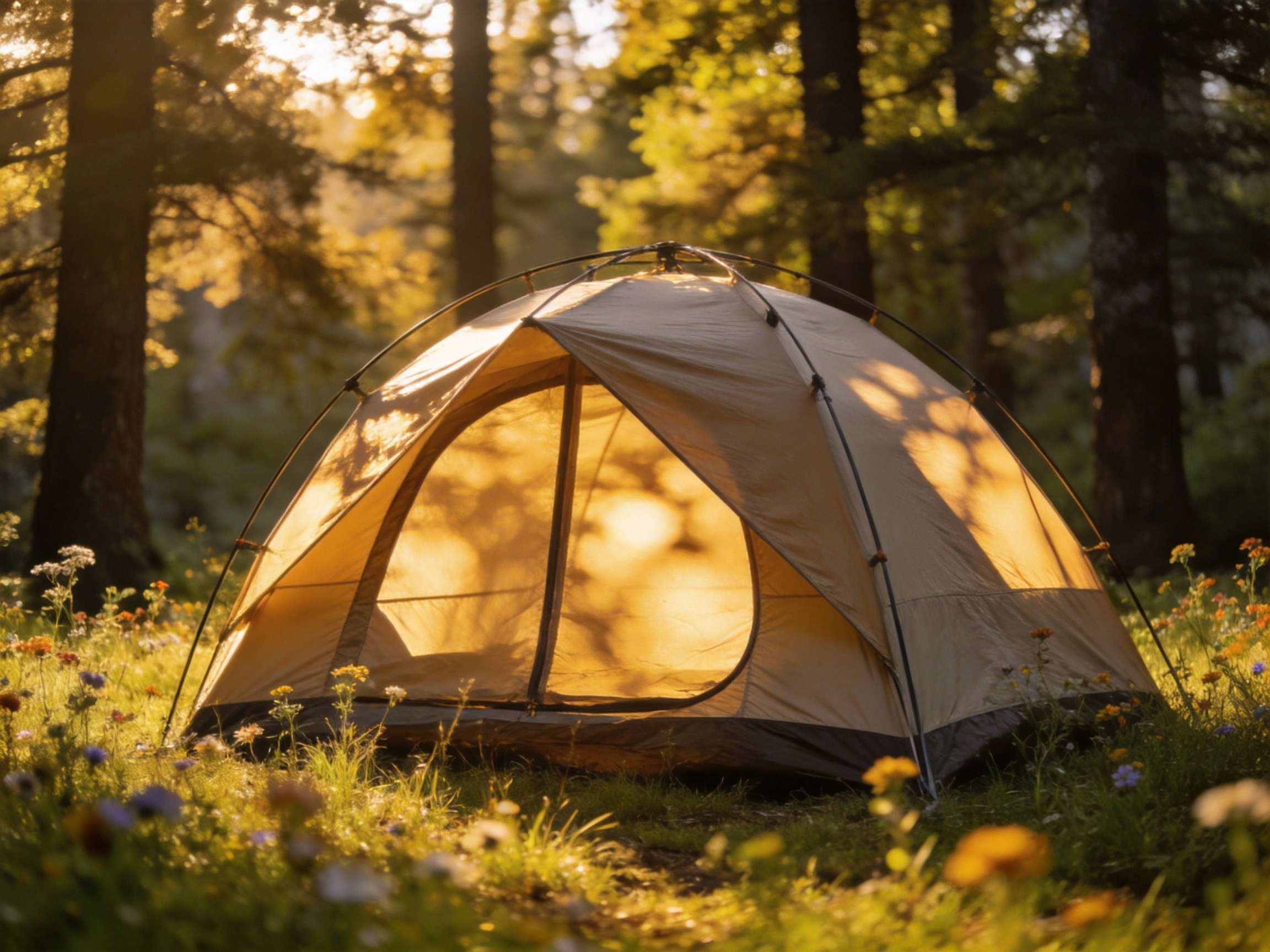
Kelty has been making quality outdoor gear since 1952, and their Wireless 4-Person tent demonstrates why the brand has remained relevant for over seven decades. This tent hits a sweet spot between affordability and genuine backcountry performance.
What makes the Wireless stand out is its freestanding design with dual vestibules. Unlike some budget tents that require stakes to maintain their shape, the Wireless can be picked up and moved if you need to adjust your site location. This feature alone makes it much more user-friendly for novice campers.
The tent features two doors and two vestibules, which means each person gets their own entrance and storage area for wet or muddy gear. This thoughtful design element significantly reduces the morning claustrophobia that can plague smaller tents when two people are trying to get dressed simultaneously.
At around $170-180, the Kelty Wireless offers better materials and construction than budget options while remaining accessible for most campers. The aluminum poles (instead of fiberglass) provide better durability and lighter weight, and the quality zippers and seams will hold up to years of regular use.
For families who camp several times per year and want a tent that will last, the Kelty Wireless represents excellent value. It’s substantial enough for challenging conditions but not so technical that it intimidates newcomers to camping.
Best For: Active families, weekend campers who want durability, and anyone upgrading from entry-level tents.
Key Specifications:
- Capacity: 4-person (86″ x 49″)
- Weight: 8.5 lbs
- Center Height: 43 inches
- Doors/Vestibules: 2/2
- Freestanding: Yes
4. Big Agnes Copper Spur HV UL2 – Premium Ultralight Excellence
Big Agnes Copper Spur HV UL2 is the gold standard for serious backpacking enthusiasts who refuse to compromise between weight and comfort. This ultralight 2-person backpacking tent has won countless awards and remains one of the most sought-after shelters on the market.
Weighing in at just 3 pounds (1.36 kg), the Copper Spur barely registers in your backpack. Yet it somehow manages to provide genuine livable space for two people—a feat that many ultralight tents fail to achieve. The high-volume design maximizes interior space, while the steep walls provide actual headroom for sitting up.
The quality of materials is immediately apparent when you handle this tent. The proprietary silnylon fabric is incredibly light yet surprisingly durable, and the aluminum poles provide excellent strength-to-weight ratio. Every detail has been considered, from the media pockets for your phone to the overhead storage loft for quick-access items.
Setup is intuitive and quick, with a single-pole hub design that creates structural integrity. The tent pitches in minutes and stays taut through wind and weather. The full-coverage rainfly with vestibule keeps your gear dry while providing a protected area to cook or store boots.
At around $550-600, the Copper Spur HV UL2 is a significant investment. But for dedicated backpackers who will log hundreds of miles with this tent, the weight savings and comfort make it worth every penny. This is a shelter built for serious adventurers who demand the best.
Best For: Experienced backpackers, thru-hikers, ultralight enthusiasts, and anyone who prioritizes low weight without sacrificing livability.
Key Specifications:
- Capacity: 2-person
- Weight: 3 lbs (1.36 kg)
- Floor Area: 29 sq ft
- Vestibule Area: 9 sq ft
- Packed Size: 6.5 x 19 inches
5. MSR Hubba Hubba NX 2 – Legendary Backpacking Performance
MSR (Mountain Safety Research) has built its reputation on engineering excellence, and the Hubba Hubba NX 2 is perhaps the most celebrated ultralight backpacking tent ever made. This shelter has accompanied countless hikers on epic journeys across mountain ranges and long-distance trails worldwide.
The Hubba Hubba NX’s success lies in its perfect balance of minimal weight and practical features. At approximately 3.5 pounds, it’s light enough for extended backcountry trips yet offers the livability and weather protection that MSR is known for. The tent’s symmetrical design maximizes interior space, with a near-rectangular floor that actually fits two sleeping pads side by side.
What truly sets this tent apart is its weather resistance. MSR’s engineering expertise shines through in every detail—the robust pole geometry resists snow loading, the full-coverage rainfly seals out wind and rain, and the quality construction keeps water from penetrating even during sustained storms.
The tent sets up quickly with a hubbed pole design that creates structural rigidity without complexity. Interior organization includes MSR’s signature gear lofts and pockets that help keep your essentials accessible. The StayDry door system includes a kickstand vent for ventilation without rain entry.
While not the absolute lightest option available, the Hubba Hubba NX offers exceptional value for serious backpackers who need reliability above all else. This is a shelter you can trust when conditions turn ugly miles from the trailhead.
Best For: Dedicated backpackers, alpine adventurers, multi-day hikers, and anyone who prioritizes MSR’s legendary reliability.
Key Specifications:
- Capacity: 2-person
- Weight: 3 lbs 8 oz (1.58 kg)
- Floor Area: 29 sq ft
- Vestibule Area: 17.5 sq ft
- Packed Size: 6 x 21 inches
Making Your Final Decision
Choosing the best camping tent for your needs ultimately depends on how and where you plan to camp. Here’s a quick summary to help you decide:
If you’re a beginner or budget-conscious family looking for a reliable all-around tent, the Coleman Sundome 4-Person delivers exceptional value and proven performance. Its simple design, quick setup, and weather protection make it the ideal starting point for any camper.
For families who want a faster setup and more modern features, the Coleman Skydome offers a significant upgrade with its 5-minute pitch time and improved headroom. It’s perfect for busy families who want to spend less time setting up and more time enjoying nature.
The Kelty Wireless 4-Person bridges the gap between budget and premium options, making it ideal for active families who camp regularly and want a tent that will grow with their skills. Its freestanding design and quality construction provide excellent longevity.
Serious backpackers seeking the ultimate lightweight shelter should consider the Big Agnes Copper Spur HV UL2 or MSR Hubba Hubba NX 2. Both represent the pinnacle of backpacking tent engineering, offering remarkable livability and weather protection at incredibly low weights.
Care and Maintenance Tips for Your Camping Tent
Investing in a quality camping tent deserves proper care to ensure years of reliable service. Here are essential maintenance tips that will extend your tent’s lifespan significantly:
Drying Before Storage: Always ensure your tent is completely dry before packing it away. Even small amounts of moisture can lead to mold and mildew, which weakens fabric and creates unpleasant odors that are difficult to remove. If you pack a damp tent by accident, unpack it at home immediately and allow it to dry thoroughly in sunlight.
Cleaning Techniques: When your tent needs cleaning, use mild soap and lukewarm water. Avoid harsh detergents, bleach, or washing machines, as these can damage waterproof coatings and seam seals. Gently scrub dirty areas with a soft brush or sponge, rinse thoroughly, and dry completely before storage.
Seam Maintenance: The seams of your tent are critical waterproofing points. Periodically check all seam tape and reapply seam sealer as needed, especially after extended use or any signs of peeling. Most manufacturers sell compatible seam sealers that are easy to apply and restore full waterproofing integrity.
Proper Pitching: Taking time to pitch your tent correctly reduces unnecessary stress on fabric and poles. Ensure stakes are properly secured, guylines are appropriately tensioned, and the rainfly provides complete coverage. A well-pitched tent handles wind and weather much better than one hastily assembled.
Storage Practices: Store your tent loosely in a large cotton sack or mesh bag, never compressed in its stuff sack for extended periods. Keep it in a cool, dry location away from direct sunlight, which can degrade fabric and coatings over time. Proper storage maintains elasticity in shock corded poles and prevents permanent creasing of technical fabrics.
Understanding Tent Materials and Construction
Modern camping tents utilize sophisticated materials engineered for specific performance characteristics. Understanding these basics helps you make informed decisions when comparing models:
Fabric Denier: The denier rating indicates fiber thickness—higher numbers mean heavier, more durable fabric. Backpacking tents often use lower denier fabrics (15D-20D) to reduce weight, while car camping tents use heavier fabrics (68D-150D) for increased durability and abrasion resistance.
Waterproof Ratings: Measured in millimeters, waterproof ratings indicate hydrostatic head pressure resistance. A 1500mm rating handles light rain adequately, while 3000mm+ ratings provide reliable protection in heavy precipitation. Quality construction with taped or welded seams matters as much as the fabric rating itself.
Pole Materials: Aluminum poles offer the best balance of strength, weight, and durability for most camping applications. Higher-grade aluminum (like DAC or Easton) provides better strength-to-weight ratios and fatigue resistance. Fiberglass poles are cheaper but heavier and more prone to breaking under stress.
Ventilation Design: Proper ventilation reduces condensation inside your tent, which occurs when warm, moist air inside contacts cooler surfaces. Quality tents feature strategically placed mesh panels, adjustable vents, and design elements that promote airflow without compromising weather protection.
Budget Considerations: Getting the Best Value
While our list includes tents across various price ranges, understanding how to maximize value regardless of budget helps you make smarter purchasing decisions:
Mid-Range Excellence: Tents in the $100-200 range offer the best balance for most campers. They provide quality materials and construction without premium pricing, making them ideal for families who camp several times yearly. The Kelty Wireless exemplifies this sweet spot, delivering genuine backcountry performance at accessible prices.
Premium Investment: Higher-priced tents like the Big Agnes Copper Spur and MSR Hubba Hubba justify their costs through superior materials, thoughtful design, and reduced weight. For dedicated backpackers covering significant miles, the weight savings translate directly to energy conservation and improved comfort over multi-day trips.
Budget Options: Entry-level tents under $100, like the Coleman Sundome, provide excellent functionality for occasional campers. They may use heavier materials and simpler designs, but they deliver reliable shelter when used within their intended parameters. The key is matching expectations to the product’s capabilities.
Final Thoughts
No matter which tent you choose from our list of the best camping tents of 2026, you’re getting a quality shelter that will serve you well for years of adventures. The most important thing is to get out there and start making memories under the stars.
Remember to always follow Leave No Trace principles, check weather forecasts before your trip, and let someone know your plans before heading into the backcountry. With the right preparation and a reliable tent, every camping trip can become the adventure of a lifetime.
The wilderness is waiting, and your perfect camping tent is out there. Take your time comparing options, consider your specific needs and camping style, and invest in quality gear that matches your adventures. Whether you’re pitching your first campsite or planning your hundredth thru-hike, the right tent makes all the difference.
From all of us at TrailGearr, happy camping and may your trails always lead to beautiful campsites with stunning views and clear skies!